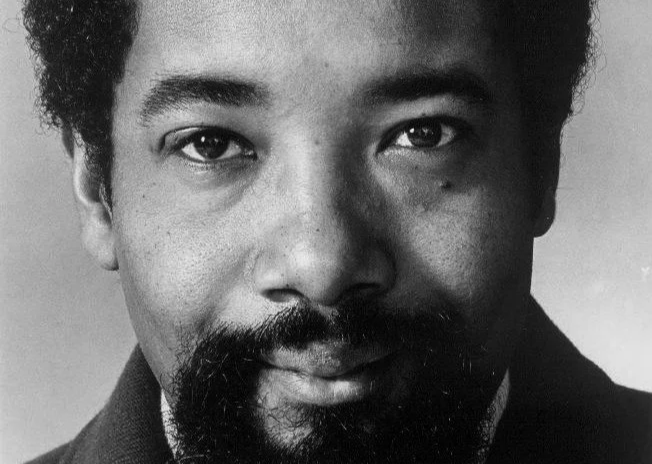
Nat Adderley grew up in a musical family in Tampa, Florida, before moving to Tallahassee, where both of his parents taught at Florida A&M University. His father had played trumpet professionally, and the instrument first passed to Nat’s older brother, Julian “Cannonball” Adderley. When Cannonball switched to alto saxophone, Nat inherited the trumpet and began developing the warm, earthy sound that would become his signature. He studied music and sociology at Florida A&M, performed in Army bands during his military service, and gained valuable touring experience with Lionel Hampton. By the time the brothers arrived in New York in the mid-1950s, Nat had already emerged as a commanding improviser with deep roots in blues, gospel, bebop, and the rhythmic language of the Black South.
As a cornetist, composer, and musical partner in the Cannonball Adderley Quintet, Nat helped define the exuberant, blues-rich sound that became known as soul jazz. His compact, expressive solos brought grit and lyricism to the ensemble, while compositions such as “Work Song,” “Jive Samba,” “Sermonette,” “The Old Country,” and “Hummin’” became enduring parts of the jazz repertoire. “Work Song,” later given lyrics by Oscar Brown Jr., grew into one of the most widely performed jazz standards of its era. Following Cannonball’s death in 1975, Adderley led his own groups, toured internationally, recorded extensively, and continued composing and mentoring younger musicians. Through his distinctive cornet voice and gift for writing melodies that were sophisticated, memorable, and rhythmically alive, Adderley helped connect hard bop with blues, gospel, and popular expression, leaving a body of music that remains both immediately accessible and unmistakably his own.
NAT ADDERLEY
WORK SONG
Writers: Nat Adderley, Oscar Brown, Jr.
Performed by: Bobby Darin
Vocal · Jazz · Blues · Soul Jazz
Listen: Spotify · Apple Music · YouTube